
Norse Group was commissioned by Norfolk County Council to apply for Class Q prior approval consent on a set of agricultural buildings.
Case study
Whitehall Farm Class Q prior approval consent
Client: Norfolk County Council
Project overview
Transforming agricultural heritage
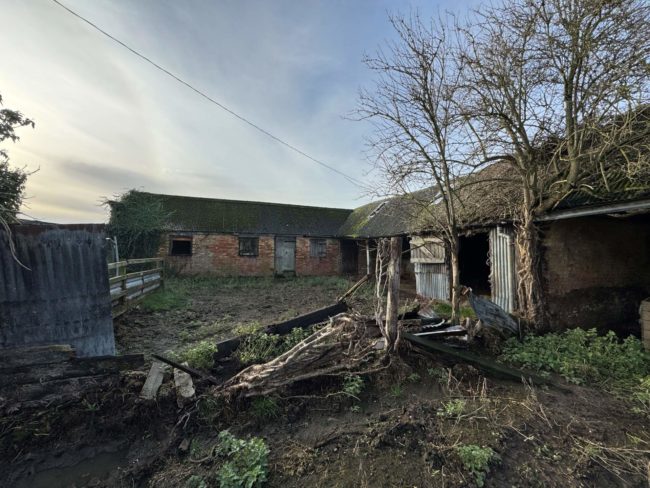
Norse Group’s planning consultancy team was commissioned by Norfolk County Council (County Farms) to apply for Class Q Prior Approval Consent on a traditional set of agricultural buildings at Whitehall Farm, Welney. Class Q of the General Permitted Development Order allows for change of use of agricultural buildings to dwellinghouses, subject to the conditions being met.
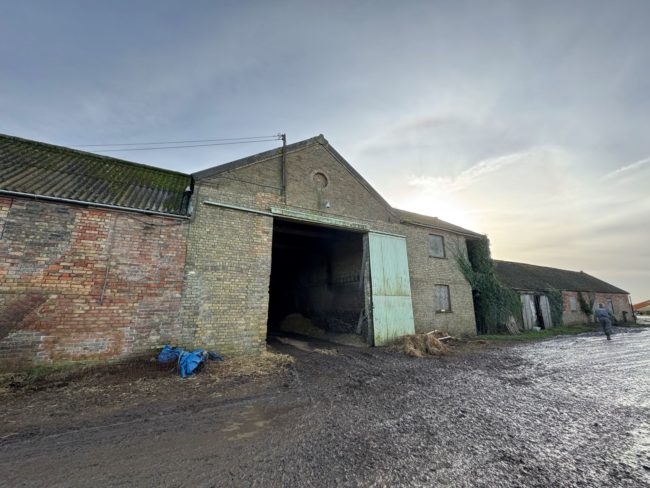
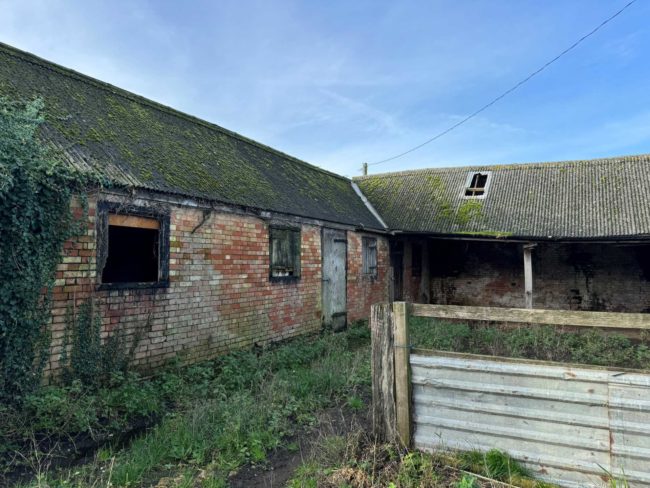
This site had two linked brick-built traditional agricultural buildings that had very different characteristics. Barn 1 had more historic/architectural merit but its conversion under the full planning application route would not have met the tests of local planning policy for Fenland District Council. Barn 2 was single storey in height, had less architectural merit and had more structural issues.
Key considerations
Initial analysis of the site constraints, surrounding context and relevant planning policies identified several key considerations. The site occupied an unsustainable countryside location where local planning policy sought to resist new residential development. Structural assessments also identified areas of concern within the existing buildings, with Class Q requiring that they be capable of conversion without significant rebuilding. In addition, part of the wider site was to remain in agricultural use, making the protection of future residential amenity an important factor throughout the design and planning process.
When reviewing whether a consent might be secured through submitting a prior approval application under Class Q, the permitted development regulations were reviewed, and it was identified that a consent could be pursued. The client was also made aware of potential risk items against the specific requirements of Class Q. Overall, it was determined that the Class Q route should be tested to obtain maximum value for this site based on the regulations at the time.
One of the key challenges was the structural condition of some of the buildings. This was mitigated with the support of a structural engineer, by proposing some partial non-structural demolition to the extent reasonably necessary to allow conversion of the buildings and excluding elements with clear structural issues from conversion.
Trusted planning consultancy
The two barns were submitted as separate applications to reduce risk. To mitigate any amenity issues, the design carefully placed habitable rooms, windows and doors away from any retained agricultural use on the wider site including separate accesses for the proposed residential and retained agricultural uses.
Prior approval consent was secured for both applications despite the planning challenges, enabling the successful conversion of the site to residential use while significantly enhancing its land value.
Many applications fail to satisfy the requirements of Class Q. Involving an experienced planning consultant can reduce risk by providing the technical expertise, local planning policy knowledge, understanding of case law, and strategic insight needed to navigate the prior approval process successfully.
Norse Group’s multidisciplinary estates service extends beyond planning consultancy to include land surveying, valuation, estate management and land acquisition, providing clients with comprehensive property and land expertise from a single trusted partner.
Accreditations

© Norse Group Limited 2026. Registered in England and Wales No. 05694657
Employee Portal