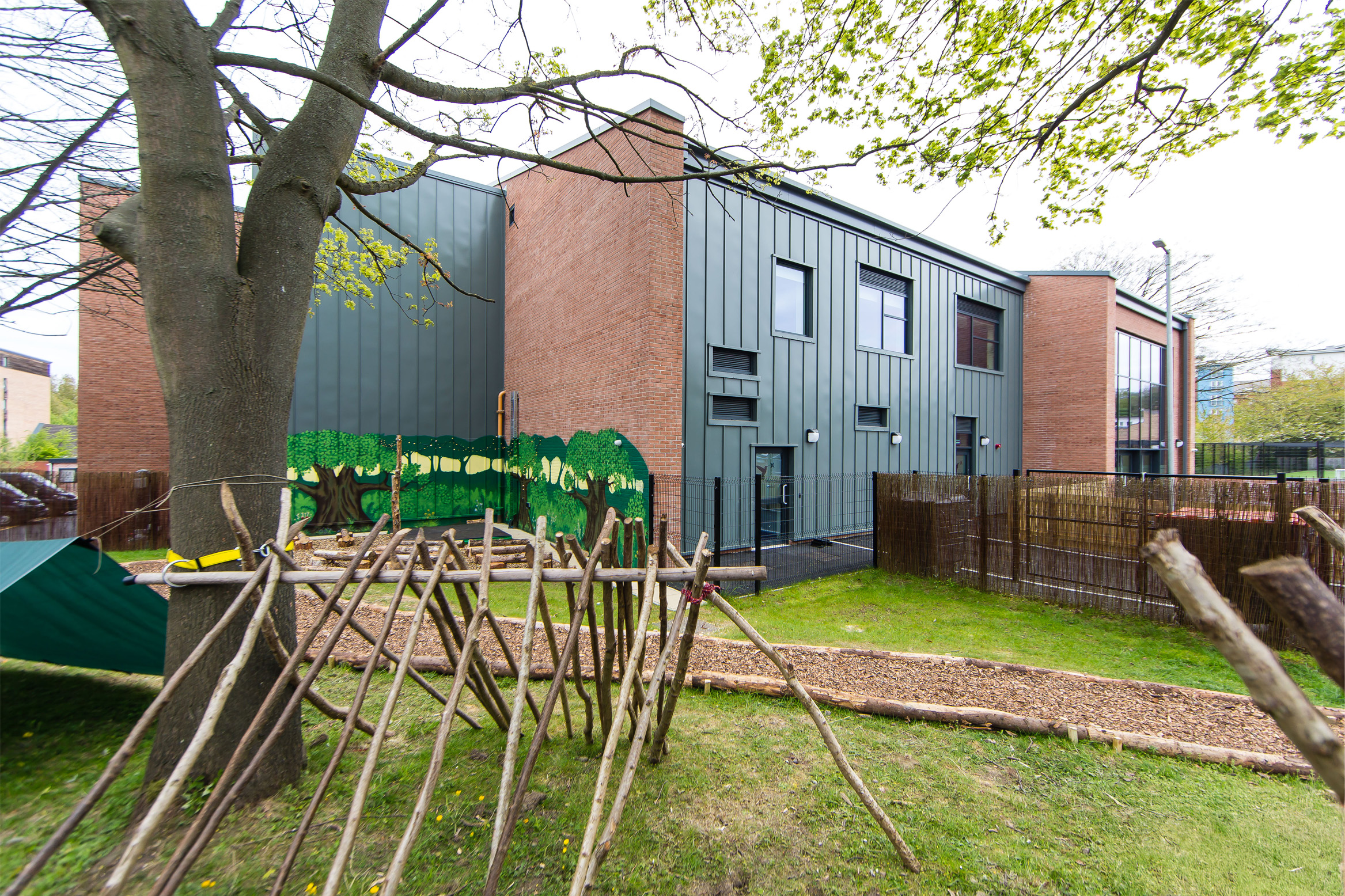
West Oaks School in Hyde Park & Woodhouse
The Government’s announcement of £3bn to improve special educational needs and disabilities (SEND) provision is a significant milestone.
The aim is clear: to end the postcode lottery and ensure that every child can access the right support close to home. For families and local authorities, this represents both an opportunity and a challenge.
Why this matters
SEND provision has been under growing pressure for years. Many children are educated far from their communities, often travelling 20 miles or more each day. These journeys are costly for councils and exhausting for families. They also limit opportunities for social development and after-school support. Current spending on Education, Health and Care Plan (EHCP) provision exceeds £11 billion annually, with transport costs alone consuming millions.
The Government’s funding package acknowledges these realities and encourages local authorities to consider both capital investment and transport costs when planning provision. This joined-up approach is essential for creating sustainable solutions.
A practical direction
One way forward is to rethink how we use the built environment. Instead of relying on new specialist schools in every area, councils can adapt, extend, or redesign existing mainstream schools to provide inclusive spaces. This approach is already supported by Department for Education guidance and offers several benefits:
Local access: Children remain within their communities, maintaining social ties and family stability
Better value: A local mainstream placement costs around £24,000 per year compared to £62,000 for a special school placement
Scalability: Targeted changes, such as sensory zones, calm spaces, and flexible support units can be delivered within existing estates.
Evidence and impact
Based on simple scenario modelling, shortening average SEN school journeys from 15 miles to 8 miles could deliver transport savings of approximately £12 million per year. This level of saving could help offset the cost of adapting existing schools to support inclusive provision. Over time, this becomes self-financing, delivering local capacity without drawing on core education budgets.
Shared goals
The Government’s rationale and local strategies are converging on the same principle: inclusion works best when it happens close to home. This is not just about cost-efficiency; it’s about improving quality of life, reducing stress for families, and building confidence in the local offer.
Delivering this vision will require collaboration across education, estates, health, and transport teams. It means moving beyond reactive placements and towards strategic planning rooted in community needs. The £3bn investment provides the financial foundation to make this possible.
Looking ahead
The challenge now is implementation. With funding in place and clear policy direction, local authorities have an opportunity to create provision that is both inclusive and sustainable. By focusing on practical, evidence-based solutions, we can ensure that every child with SEND has the chance to thrive within their own community.
For leaders looking to turn this opportunity into practical action, Norse Group’s education route map, Making SEN education local, affordable and resilient, offers a strategic resource to help align vision, funding and delivery at a local level.


