The right home adaptation at the right time can change lives. It can prevent falls, reduce hospital admissions, ease the burden on carers, and help people manage long-term conditions safely.
Unaddressed fall hazards in the home are estimated to cost the NHS in England £435 million, yet timely adaptations can avoid these costs, delay, or even prevent, the need for residential care, and most importantly, allow people to stay independent and live well in their own homes.
With £711 million allocated nationally, the Disabled Facilities Grant (DFG) is a crucial resource for councils to help residents live safely and independently. Yet over £100 million goes unspent each year, often returned to central government or held in reserve by councils, with funds at risk of being requested back or redistributed to other districts.
This is not due to a lack of need but reflects the challenges of delivery. Local government reorganisation has increased pressure on vital services such as social care. Councils face administrative burdens, tight statutory deadlines, and difficulty sourcing approved contractors to carry out essential adaptations. Delays mean residents wait longer for support, pressure on services grows, and every unspent pound represents a missed opportunity to protect people and ease strain on local systems. The need to use DFG funding effectively has never been more urgent.
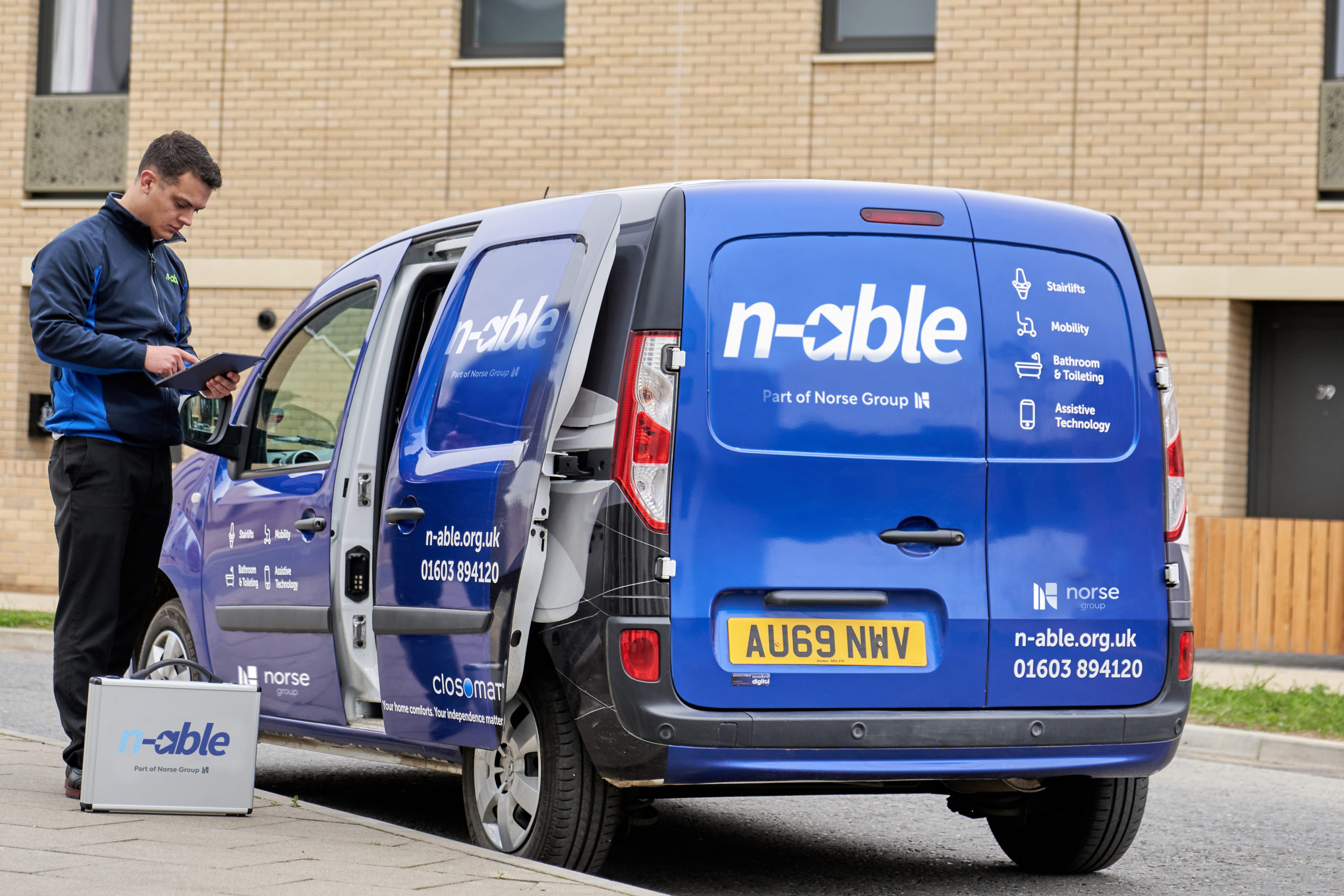
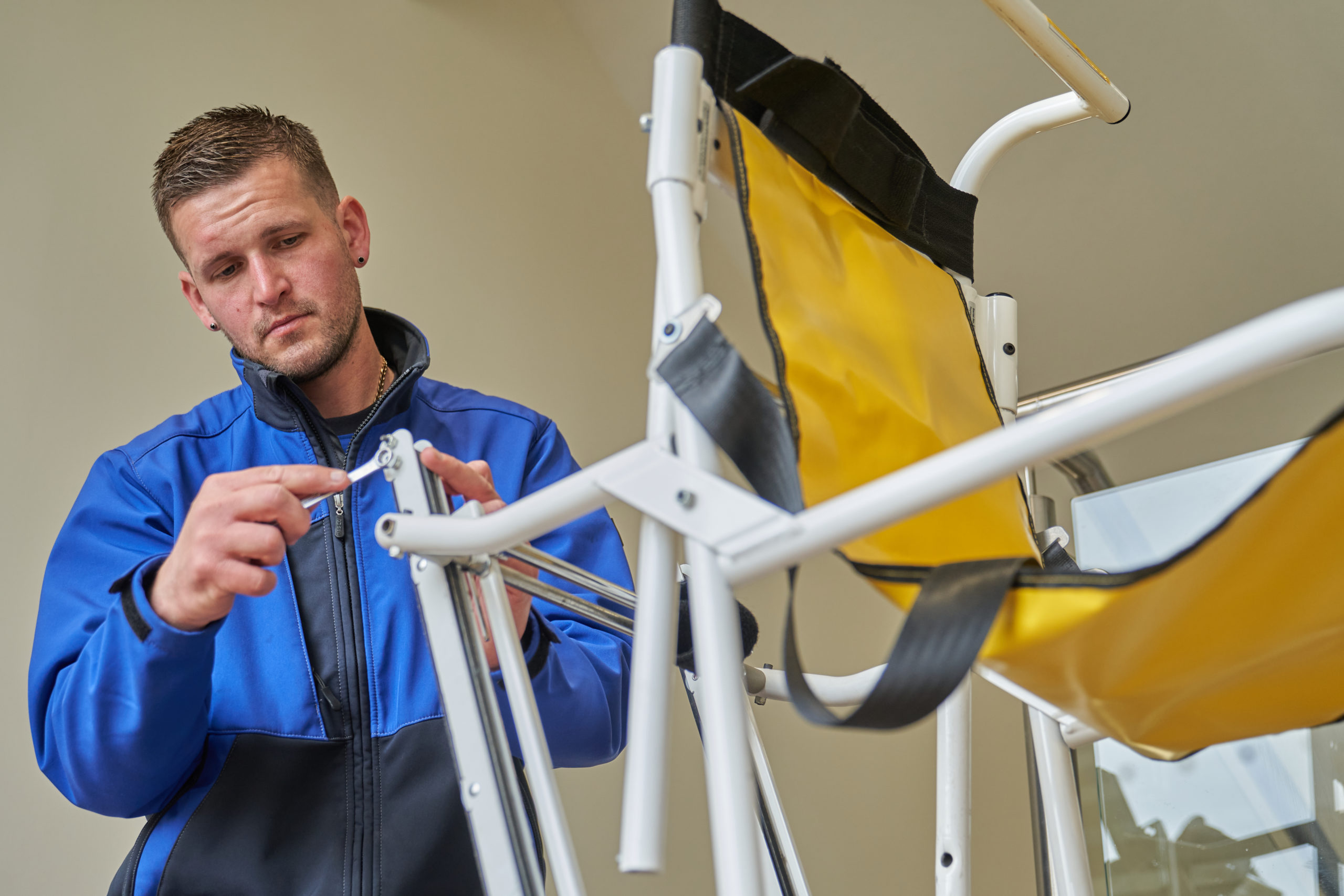
Since 2013, n-able, part of Norse Group, has helped local authorities reduce operational pressure while helping communities to thrive. In that time, n-able has supported more than 19,000 people to remain independent in their homes and workplaces, delivering over 71,000 pieces of equipment and adaptations that safeguard dignity, safety, and wellbeing.
Working with local authorities, n-able provides a seamless, end-to-end DFG delivery model, helping councils use funding efficiently and maximise its impact. This approach drives cost savings, speeds up service, and ensures high-quality home adaptations residents can rely on. n-able’s scale and buying power in the disability equipment market delivers maximum value for councils, while providing services directly, including stairlifts, overhead hoists, wet rooms, sensors, and ongoing maintenance packages. By reducing reliance on subcontractors, costs are lower, local social value is retained, and delivery is more reliable.
Every unspent pound of DFG funding is a missed opportunity to prevent falls, reduce hospital admissions, and support people to remain independent at home. Partnering with n-able allows councils to make the most of their funding, delivering timely, effective adaptations that improve residents’ lives, retain value locally, and support local jobs, all while creating a better experience for the people who need it most.


